This company has no active jobs
0 Review
Rate This Company ( No reviews yet )

Fake Currency
(0)About Us
5 Killer Quora Answers To Fake Dollar Bills

Understanding Fake Dollar Bills: The Dangers and Detection Methods
In an age where international economies are intertwined and cash still rules supreme, the presence of counterfeit currency presents a substantial hazard to both customers and services. In spite of advancements in payment techniques, Fake Dollar Bills (supplemental resources) continue to circulate, affecting the economy and developing threats for unsuspecting victims. This article delves into the world of counterfeit currency, exploring its history, detection methods, and the preventive procedures that can be required to fight it.
The History of Counterfeit Currency
The phenomenon of counterfeit money is not a recent advancement. Historical records suggest that as far back as ancient Greece, people have actually sought to recreate coins and banknotes in a bid to benefit unlawfully. However, the development of paper currency has significantly increased the intricacy and sophistication of counterfeiting.
In the United States, the counterfeiting of federal notes began nearly immediately after the introduction of the very first paper currency in 1861. In action to the widespread forgery, the U.S. Secret Service– initially established to combat counterfeit currency– was formed in 1865. Today, counterfeiting continues to progress, including sophisticated technology to produce a lot more realistic recreations.
Table 1: Key Historical Points of Counterfeit Currency in the U.S.
| Year | Event |
|---|---|
| 1861 | Introduction of the first U.S. paper currency |
| 1865 | Facility of the U.S. Secret Service |
| 1934 | Introduction of the modernized currency featuring portraits |
| 1990s | Improvements in printing innovation cause more realistic fakes |
| 2003 | Release of the brand-new ₤ 20 bill with enhanced security functions |
Types of Counterfeit Currency
Counterfeit bills can be broadly classified into a couple of various types based on their origins and the approaches utilized to create them:
-
Offset Printed Counterfeits: This is the most common technique, where counterfeiters use high-quality scanners and color printers to replicate bills, frequently producing a convincing replica.
-
Digitally Produced Counterfeits: With developments in technology, some counterfeiters develop bills entirely digitally, leading to highly advanced forgeries.
-
Handmade Bills: In some cases, counterfeiters may hand-draw or hand-print currency, although this technique is less typical due to the time and skill required.
-
Third-Party Produced Bills: Some sophisticated counterfeiting operations use industrial printing innovation meant for printing other products, creating highly convincing bills that can evade detection.
Table 2: Counterfeit Bill Types and Characteristics
| Type | Attributes | Detection Difficulty |
|---|---|---|
| Offset Printed Counterfeits | High-quality print, excellent color matching | Moderate |
| Digitally Produced Counterfeits | Incredibly detailed, matches security functions | High |
| Handmade Bills | Basic style, bad quality | Low |
| Third-Party Produced Bills | Industrial quality, realistic | Really High |
Recognizing Fake Dollar Bills
To protect versus counterfeit bills, it’s necessary to comprehend how to identify phonies. Here are numerous crucial features to take a look at that can assist in the detection process:
-
Check the Paper Quality: Genuine U.S. currency is printed on a particular paper that has an unique feel. The lack of this texture can be a strong sign of a fake.
-
Look for the Watermark: Genuine bills feature watermarks that can be seen when held up to light. The image ought to match the picture on the costs.
-
Inspect the Security Thread: All modern U.S. currency includes a security thread that is ingrained within the paper and can be seen when held up to light.
-
Examine the Color-Shifting Ink: Certain denominations use color-shifting ink, which alters color when tilted.
-
Examine the Microprinting: On authentic bills, there are locations of little text that are hard to replicate and can help in recognizing fakes.
-
Use a Magnifying Glass: With a magnifying glass, one can inspect the fine lines and details that are difficult to replicate, showing important in assessing authenticity.
Table 3: Key Features to Check in Dollar Bills
| Feature | Description | Authenticity Check |
|---|---|---|
| Paper Quality | Distinct texture and composition | Must feel distinct, not flimsy |
| Watermark | Portrait visible when held to light | Visible and matches the printed image |
| Security Thread | Embedded thread running vertically | Must be present and reflective |
| Color-Shifting Ink | Changes color when the bill is tilted | Present in specific denominations |
| Microprinting | Small text in particular locations | Should be clear and in-depth |
| Fine Lines | Detailed styles that are hard to replicate | Must be crisp and distinct |
Preventative Measures Against Counterfeit Currency
While individuals can take steps to find fake bills, services have additional duties. Here are numerous strategies organizations can execute to decrease their risk:
-
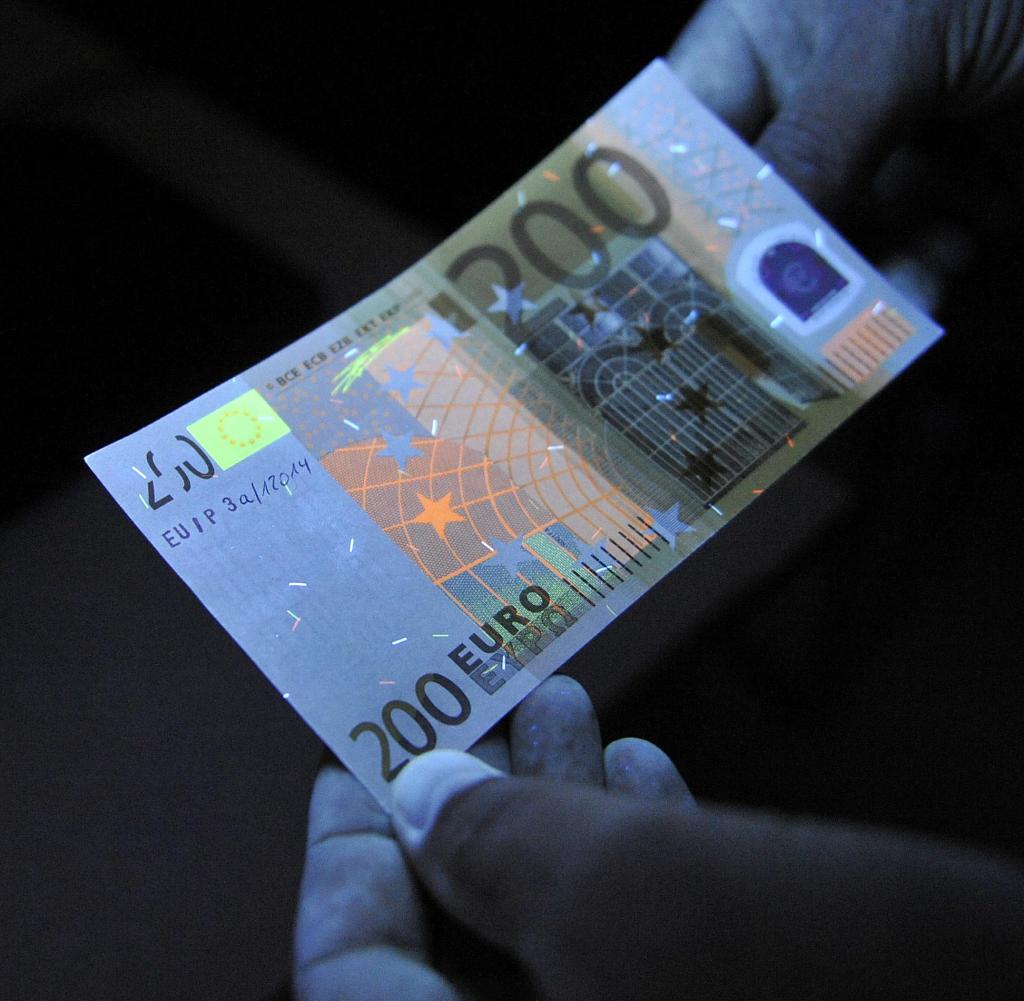
Invest in Counterfeit Detection Tools: Tools such as UV light detectors or magnifying gadgets can assist staff in recognizing counterfeit currency throughout deals.
-
Train Employees: Regular worker training on how to recognize counterfeit bills is essential. Staff members must recognize with the crucial security functions of the currency they deal with.
-
Limit Cash Transactions: Encouraging digital payment techniques can significantly minimize the threats connected with counterfeit currency.
-
Screen Transactions: Implementing a system to examine large or suspicious cash transactions can assist recognize possible counterfeit notes before they go into blood circulation.
-
Report Counterfeits: Establishing a protocol for reporting presumed counterfeit bills to regional authorities is important for keeping currency stability.
FAQ
Q: What need to I do if I receive a counterfeit bill?A: Report it instantly to local police and the U.S. Secret Service. Prevent passing it along to another person. Q: Is it legal to keep a
counterfeit bill if I didn’t know it was fake?A: While you are not criminally responsible if you unknowingly receive counterfeit money, it’s a good idea to report the event. Q: Can fake bills be identified by ATMs?A: Many contemporary ATMs are geared up with counterfeit detection technology, however they can still mistake counterfeit bills, so manual screening is typically required. Q: Are older bills most likely to be counterfeited?A: Older bills might lack more recent security features, making them more vulnerable to counterfeiting than modern currency. Counterfeit currency continues to be a pressing concern for both
consumers and organizations. By comprehending the history, recognizing different types of counterfeit bills, and employing efficient detection methods, people and companies can much better secure themselves against the financial dangers associated with counterfeit currency. Staying notified and vigilant is the initial step in combating this extensive financial crime.